E-commerce in Uganda: What Works and What Doesn't
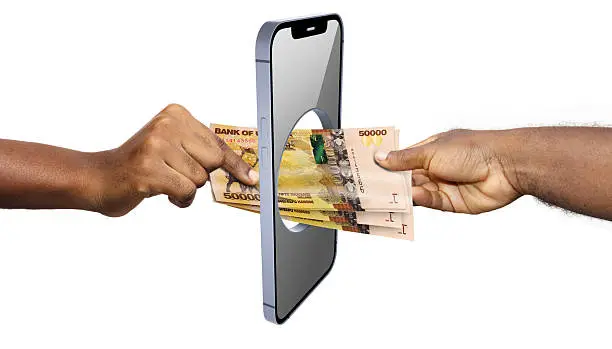
A tailor in Ntinda posts a video of a finished suit on WhatsApp Status at 7am. By lunchtime, she has three orders and two Mobile Money payments sitting in her phone. No website, no shopping cart, no card machine. That, more than any glossy online store, is what e-commerce in Uganda actually looks like today.
The word "e-commerce" tends to summon images of Amazon warehouses or sleek Shopify stores with card checkouts. Uganda's version is different, and understanding that difference is the whole game. Some approaches to online selling are thriving here. Others, imported wholesale from markets with better banking, reliable postage, and steady electricity, quietly fail. This piece walks through both, with real numbers and real trade-offs. Use it to decide where your time and money will actually pay off.
The real size of the opportunity
Uganda's e-commerce market generated roughly US$82 million in revenue in 2025, according to market data platform ECDB, with growth of 10 to 15% expected through 2026. That is still small next to Kenya or Nigeria, but the direction of travel matters more than the current size.
The bigger story is connectivity and payments, not shopping carts. A 2025 GSMA report found Uganda has 96% 4G population coverage, yet only around 22% of Ugandans actively use mobile internet. Smartphone cost, data prices, and patchy electricity drive that gap. It explains almost every "what doesn't work" section below.
Mobile Money, not card payments, is the actual engine. GSMA's State of the Industry Report on Mobile Money 2025 has the number. Mobile money now contributes more than 5% of GDP in Uganda, Kenya, Rwanda, and Tanzania. If you remember one statistic from this article, make it that one. Any e-commerce plan that ignores Mobile Money is planning for a market that doesn't exist here.
What works: selling where trust already lives
Ugandan buyers overwhelmingly trust people before they trust platforms. A university student in Kampala looking for a cheaper phone case doesn't browse a catalogue. She asks a friend, checks a seller's Instagram page for real customer comments, then sends a direct message. Sellers who understand this build storefronts inside WhatsApp Business, Instagram, and Facebook Marketplace rather than fighting to build standalone websites from scratch.
This works because it removes every point of friction that kills a sale. The buyer already trusts the app. Payment happens through Mobile Money, which almost everyone already has. Delivery gets negotiated directly, often through a boda-boda rider the seller already knows. Compare that to a stranger's unfamiliar website asking for a card number that many Ugandans simply don't own.
Niche, locally relevant products also outperform generic ones. Skincare suited to Ugandan climates, modest fashion, and sorted second-hand ("mitumba") clothing all move fast. So does term-time stock like school supplies, sold just before schools reopen. All of these outsell imported, generalist catalogues. Picture a small business owner in Mbale selling roasted coffee beans direct to Kampala offices. She takes orders on WhatsApp and delivers same-day through a boda rider. That is a far more realistic model to copy than a full online supermarket.
Established platforms like Jumia still play a role, mainly for electronics and branded goods where buyers want some guarantee of authenticity. However, most everyday commerce in Uganda happens outside any formal platform entirely, through chat apps and personal reputation.
What doesn't work: importing someone else's playbook
Full-featured online stores with card checkout are the clearest example of a mismatch. Industry estimates put credit and debit card usage at around 12% of digital payments in Uganda. Limited banking infrastructure and low consumer trust in cards hold that number down. A store that only accepts cards has already lost most of its potential customers. So has one that treats Mobile Money as an afterthought.
Paid advertising without an existing trust base burns money quickly. Running Facebook or Instagram ads to a brand-new page, with no reviews and no track record, tends to produce clicks and few sales. Ugandan buyers see plenty of "quick money" scams circulating on social media, and it makes them cautious. New online sellers get held to a higher standard of proof than an established shop would need.
Delivery logistics outside major towns remain genuinely difficult. Courier networks are strong in Kampala, Entebbe, and a handful of regional towns, but they thin out fast beyond them. Picture a seller promising nationwide next-day delivery, with no realistic plan for reaching Gulu or Kabale. That promise sets an expectation the business cannot keep.
Finally, treating "make money online" content as a shortcut causes real harm. Some course sellers and social media accounts promise guaranteed income from dropshipping or reselling with little upfront effort. Genuine e-commerce income in Uganda depends on product choice, consistency, and reinvested effort over months, not a single course purchase. Where a platform or scheme asks for payment upfront in exchange for guaranteed returns, treat that as a warning sign rather than an opportunity.
Who should try this, and who shouldn't
E-commerce in Uganda suits someone with an existing product, skill, or supplier relationship. It also suits people with the patience to build an audience slowly, through consistent posting and word of mouth. Think of a freelance graphic designer selling printable planners, or a small farm selling packaged honey. A tailor documenting finished outfits on Instagram fits the same pattern well.
It suits people less well if they expect a website alone to generate sales without any existing following. It also suits them less if they need fast returns to cover urgent costs. Building buyer trust in a market this relationship-driven takes real time, and no platform shortcuts that.
Where to start
Begin with the channel your customers already use, not the one that looks most professional. Set up a WhatsApp Business profile and add Mobile Money as a payment option from day one. Post real photos of real stock rather than stock imagery. Track which posts generate actual messages, not just likes, and refine from there.
Treat a full website, card payments, or paid ads as later steps. Add them once a WhatsApp or Instagram page already has a track record of real sales. In a market built on trust before transactions, credibility comes first. The tools come after.


Comments
Post a Comment